Grooming Tips for Persian Cats: A Step-by-Step Guide
Persian cats are known for their luxurious, long coats and distinctive flat faces. While their appearance is striking, it also requires consistent care to keep their fur healthy and free from tangles. Grooming a Persian cat is not just about aesthetics; it plays a vital role in their overall well-being. The dense, silky fur is prone to matting, and the facial structure can lead to tear staining and ear issues if not addressed regularly. This guide provides a step-by-step approach to grooming your Persian cat, focusing on daily brushing, proper tool selection, and safe cleaning of eyes and ears.
Regular grooming sessions also serve as an opportunity to bond with your cat and monitor their health. By establishing a routine, you can minimize stress for both you and your pet. Understanding the specific needs of Persian cats is the first step toward effective grooming. This article outlines practical methods and considerations, emphasizing that each cat is unique and may require adjustments to the routine based on their comfort and condition.
Understanding the Persian Coat
The Persian cat’s coat is double-layered, with a fine undercoat and a longer, silky topcoat. This combination makes it particularly prone to tangling and matting, especially in areas with friction such as under the legs, behind the ears, and around the collar. The texture of the fur also tends to hold oils and debris, which can lead to skin irritation if not managed. Daily brushing is not just recommended; it is often necessary to prevent mats from forming. Mats can become uncomfortable for the cat, pulling at the skin and potentially harboring dirt and moisture.
To effectively manage the coat, it is helpful to understand its growth cycle and how it responds to seasonal changes. Some Persian cats may shed more heavily during certain times of the year, requiring more frequent grooming. Additionally, the coat’s condition can be influenced by diet, hydration, and overall health. A balanced diet rich in omega-3 and omega-6 fatty acids may support skin and coat health, but it is not a substitute for regular grooming. Observing your cat’s coat regularly can help you identify early signs of matting or skin issues, allowing for prompt attention.
Essential Grooming Tools
Equipping yourself with the right tools is fundamental to a successful grooming routine. A metal comb with both wide and fine teeth is ideal for detangling and removing loose fur. The wide teeth work through larger tangles, while the fine teeth catch smaller snarls and finish the coat. Additionally, a slicker brush can be useful for removing loose undercoat and smoothing the topcoat. However, it is important to use these tools with care, as excessive force can damage the coat or irritate the skin.
Other helpful items include grooming scissors with rounded tips for trimming sensitive areas, such as around the eyes and paws, and a gentle cat-safe detangling spray to ease combing. For the face, a soft, damp cloth or specialized pet wipes can help clean tear stains without harsh chemicals. When selecting tools, consider your cat’s coat thickness and sensitivity. Some cats may prefer a soft bristle brush for gentle sessions, while others may tolerate a slicker brush. Testing different tools and observing your cat’s reactions can guide your choices.
Daily Brushing Techniques
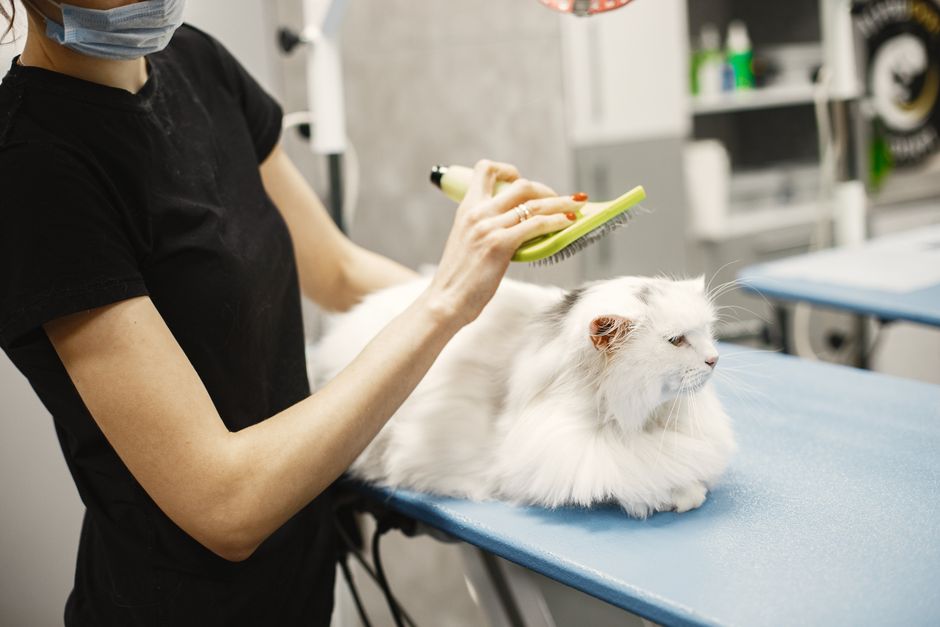
Daily brushing is the cornerstone of Persian cat grooming. It helps remove loose fur, distribute natural oils, and prevent mats from forming. Start by allowing your cat to become comfortable with the brushing area and the tools. Begin with gentle strokes along the back, moving in the direction of hair growth. Gradually work through the entire coat, paying extra attention to areas prone to matting. For stubborn tangles, use your fingers to gently separate the fur before using a comb. If a mat is already formed, avoid pulling or yanking, as this can cause pain. Instead, carefully work through it with the wide-tooth comb or consider using a detangling spray.
When brushing, maintain a calm and patient demeanor. Use positive reinforcement, such as treats or gentle praise, to create a positive association. Some cats may become restless, so it is advisable to keep sessions short and gradually increase their duration. Additionally, brushing provides an opportunity to check for fleas, ticks, or skin abnormalities. Regular inspection can help identify potential health issues early. If you encounter a mat that cannot be safely removed at home, consulting a professional groomer or veterinarian is a prudent step.
Cleaning the Eyes and Ears
Persian cats are prone to eye discharge due to their brachycephalic (flat-faced) structure. The tear ducts may not drain properly, leading to staining around the eyes. Daily cleaning can prevent irritation and staining. Use a soft, damp cloth or a veterinary-approved eye wipe to gently wipe away discharge from the corner of the eye. Always use a fresh area of the cloth for each eye to avoid spreading any potential infection. Be gentle and avoid rubbing, as the area is sensitive. If you notice excessive tearing, redness, or persistent discharge, consult your veterinarian, as these may be signs of an underlying condition.
Ear cleaning should be done weekly or as needed. Persian cats can be prone to earwax buildup and infections. Use a cotton ball or pad moistened with a cat-safe ear cleaner. Gently lift the ear flap and wipe the outer ear, without inserting anything into the ear canal. If you observe a foul odor, redness, or excessive scratching, seek veterinary advice. Maintaining clean ears and eyes not only contributes to your cat’s comfort but also allows you to monitor for any changes that might require professional attention.
Additional Grooming Practices
In addition to brushing, other grooming practices are part of a comprehensive routine. Regular nail trimming is important to prevent overgrowth and accidental scratches. Use a cat-specific nail clipper and trim only the tip of the nail, avoiding the quick. If you are unsure, ask your veterinarian or groomer for a demonstration. Bathing a Persian cat is not required frequently, but occasional baths can help keep the coat clean and reduce oil buildup. Use a cat-safe shampoo and warm water, and ensure thorough rinsing. After bathing, towel-dry your cat and use a blow dryer on a low setting if your cat tolerates it, or allow the fur to air-dry while brushing gently to prevent tangles.
Dental hygiene is also an essential aspect of grooming, though often overlooked. Regular teeth brushing with a vet-approved toothpaste can help maintain oral health. Slowly introduce the process, allowing your cat to taste the toothpaste and get used to the brush. These additional practices contribute to your Persian cat’s overall well-being, but they should be introduced gradually and with patience. Each cat responds differently, so adapting your approach to your cat’s comfort level is key.
Establishing a Grooming Routine
Consistency is key when it comes to grooming Persian cats. Creating a schedule that fits into your daily life helps ensure that grooming becomes a habit rather than a chore. Choose a time when your cat is relaxed, perhaps after a meal or play session. Keep grooming sessions calm and positive, and end with a treat or a favorite activity to reinforce the experience. Over time, many cats learn to enjoy grooming and may even seek out the attention.
If your cat resists grooming, it is important to identify the cause. It could be discomfort from a mat, fear of the tools, or an underlying health issue. Patience and gradual desensitization can help overcome resistance. For example, leave the grooming tools out so your cat can investigate them, then reward calm behavior. If grooming becomes increasingly challenging, consulting a professional groomer who has experience with Persian cats can be a practical solution. They can provide guidance and handle complex grooming needs while ensuring your cat’s comfort.
Regular grooming is not just about maintaining a beautiful coat; it is a way to connect with your Persian cat and ensure their health and happiness.
By incorporating these grooming practices into your routine, you are taking a proactive approach to your Persian cat’s care. Remember that each cat is an individual, and what works for one may not work for another. Observing your cat’s behavior and adjusting your techniques accordingly will make grooming a positive experience for both of you. While this guide provides a structured approach, it is always wise to seek advice from your veterinarian or a professional groomer if you have specific concerns about your cat’s coat, eyes, ears, or overall health.