Top 5 Warning Signs Your Dog Needs a Vet
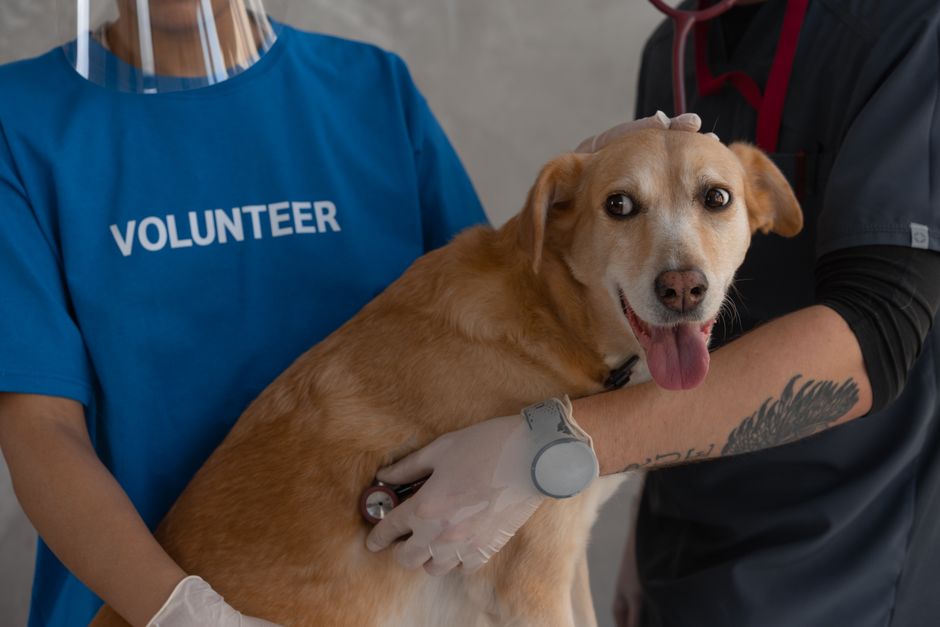
As a responsible pet owner, understanding when your dog might need professional medical attention is a key part of providing proper care. Dogs often instinctively hide signs of discomfort, making it challenging to detect underlying health issues. However, certain behavioral and physical changes can serve as valuable indicators that something may be amiss. Recognizing these early warning signs and seeking timely veterinary advice can play a significant role in managing potential health problems effectively.
This article aims to provide an informative overview of the top five warning signs that suggest a visit to the veterinarian may be warranted. By focusing on observable changes in your dog’s daily routines and demeanor, you can become more attuned to their well-being. It is important to note that this information is for educational purposes and should not replace professional veterinary judgment. Each dog is unique, and only a qualified veterinarian can accurately diagnose and treat medical conditions.
1. Significant Changes in Appetite or Water Consumption
One of the most noticeable indicators of potential health issues in dogs is a sudden or gradual change in their eating or drinking habits. A dog that suddenly loses interest in food may be experiencing nausea, dental pain, or gastrointestinal distress. Conversely, an increase in appetite without weight gain could signal metabolic disorders such as diabetes or thyroid issues. Similarly, changes in water intake–either excessive thirst or reduced drinking–can point to underlying conditions like kidney disease or dehydration. These deviations from normal behavior are often among the first signs that something is not right.
It is essential to monitor both the quantity and frequency of your dog’s meals and water consumption. Keeping a simple daily log can help you notice trends or abrupt changes. For example, if your dog normally finishes their bowl quickly but now leaves food uneaten for several hours, this may warrant attention. Likewise, an increased urgency to drink water or more frequent urination could be a red flag. These patterns, when observed over a short period, provide valuable information for your veterinarian. Early detection through such observations can facilitate a more thorough diagnostic process.
2. Lethargy or Decreased Energy Levels
Dogs are naturally energetic creatures, often eager to play, go for walks, or explore their surroundings. A noticeable reduction in your dog’s usual enthusiasm or energy can be a subtle yet significant sign of illness. Lethargy, defined as a lack of energy and enthusiasm, may manifest as excessive sleeping, reluctance to engage in previously enjoyed activities, or a generally subdued demeanor. While some breeds and senior dogs may naturally be calmer, a marked deviation from your dog’s baseline activity level is concerning.
When assessing lethargy, consider not only the activity level but also the duration and context. A dog that is tired after a long hike is expected, but one that barely moves from its bed for an entire day without a clear reason is exhibiting a potential warning sign. Lethargy can be associated with a wide range of conditions, including infections, pain, anemia, or metabolic imbalances. It is also one of the most common reasons owners seek veterinary care. By tracking your dog’s energy patterns and noting any dramatic changes, you can provide your vet with a clearer picture of the situation. Remember that lethargy is not a disease itself but a symptom that requires evaluation.
3. Abnormal Bathroom Habits
Changes in urination and defecation are among the most observable and potentially alarming signs of canine health issues. These changes can include an increase or decrease in frequency, difficulty urinating, accidents in the house, blood in the stool or urine, diarrhea, or constipation. Such alterations may indicate a variety of problems, from urinary tract infections and gastrointestinal parasites to more serious conditions like kidney failure or intestinal obstruction. Paying close attention to your dog’s bathroom behavior is crucial for early detection.
For example, if your dog, who is usually house-trained, suddenly begins having accidents indoors, this may be a sign of a medical issue rather than a behavioral one. Straining to urinate or produce stool is a particularly concerning sign, as it could indicate a blockage or inflammation. Additionally, frequent small amounts of urine may signal a bladder problem. It is advisable to observe and note the color, consistency, and frequency of your dog’s waste and to report any abnormalities to your veterinarian. Timely intervention can be vital in addressing these conditions effectively.
4. Unexplained Weight Loss or Gain
Fluctuations in your dog’s weight without intentional dietary changes can be a red flag for underlying health problems. Unexplained weight loss may occur despite a normal or increased appetite, which can be associated with conditions such as hyperthyroidism, diabetes, or malabsorption issues. On the other hand, gradual weight gain might be linked to hypothyroidism, Cushing’s disease, or fluid retention. Monitoring your dog’s weight on a regular basis is a simple yet effective way to detect potential health concerns early.
To track weight changes accurately, it is recommended to weigh your dog periodically using a scale – either at home or at a veterinary clinic. Visual and tactile cues, such as feeling the ribs or observing the waistline, can also provide insight. If you notice a significant change over a few weeks, it is prudent to consult with a veterinarian. They can perform diagnostic tests to determine the cause and appropriate management plan. Weight changes are not always immediately apparent, so maintaining a record can help you identify trends that might otherwise go unnoticed.
5. Changes in Behavior or Demeanor
Behavioral changes in dogs can be subtle but often indicate discomfort or illness. These may include increased irritability, aggression, withdrawal, excessive panting, restlessness, or a lack of interest in social interactions. Such shifts can result from pain, cognitive dysfunction, anxiety, or neurological disorders. Because dogs cannot verbally express how they feel, alterations in behavior serve as a crucial form of communication.
For instance, a normally friendly dog that starts snapping or hiding may be experiencing physical pain. Excessive and unexplained panting could be a sign of respiratory distress or heart problems. Additionally, changes in sleep patterns or increased clinginess might indicate anxiety or illness. It is important to be observant of these behavioral nuances and to differentiate between occasional mood swings and persistent deviations from your dog’s typical personality. Documenting when these changes occur and any potential triggers can assist your veterinarian in diagnosing the underlying issue, ensuring that your dog receives appropriate care.
Early recognition of warning signs is a proactive step in maintaining your dog’s health and well-being. However, it is essential to remember that symptoms can be multifaceted and may not always have a clear cause. Professional veterinary guidance is indispensable for accurate diagnosis and treatment.
Being attentive to these five warning signs – changes in appetite, energy levels, bathroom habits, weight, and behavior – can empower you to seek timely veterinary assistance. While this list is not exhaustive, it covers common indicators that pet owners may notice. For any concerning changes, it is always best to consult with a veterinarian. PawCare Insights encourages responsible pet care through informed observation and collaboration with veterinary professionals.